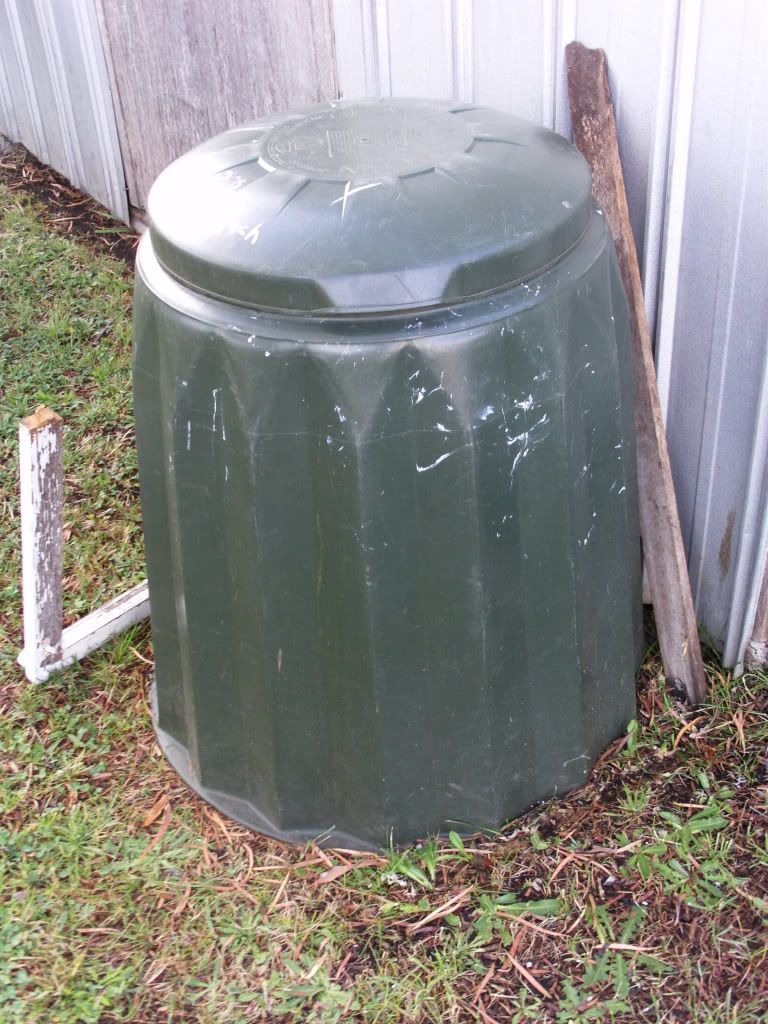
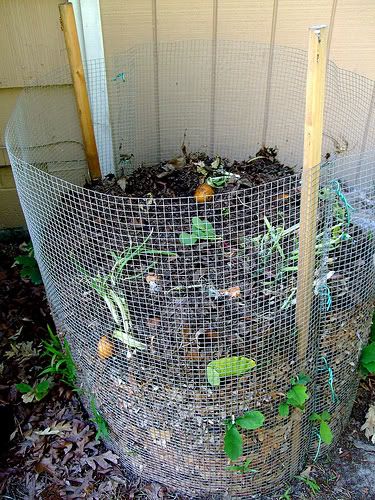
I can have compost whether I paid any attention to it or if I paid a lot of attention to it.
The ingredients and supplies for compost are as follow which consist of all yard wastes including weeds, spent garden plants, leaves, and grass clippings.
Kitchen scraps including peelings, seeds, rinds, cores, and cobs, but excluding fats, meats, and dairy products. Any part in the yard and some people use a bin and then some people do not use one.
The first thing I need to do to get my compost pile started is to throw everything on the pile. It is good to keep meat and dairy products and fatty or greasy foods out of the compost pile, since these break down very slowly and it also tend to attract pests and pets to the pile. The next step, I will need to do is to sit back and wait. I do not have to do any chopping, measuring, shredding, turning or any kind of compost fussing. Within a month or two I will find dark, rich, crumbly compost that has begun to form at the bottom of the pile, as all the compost's ingredients decompose.
Summary This is a very easy way to make my compost for my garden and also for my flower beds.
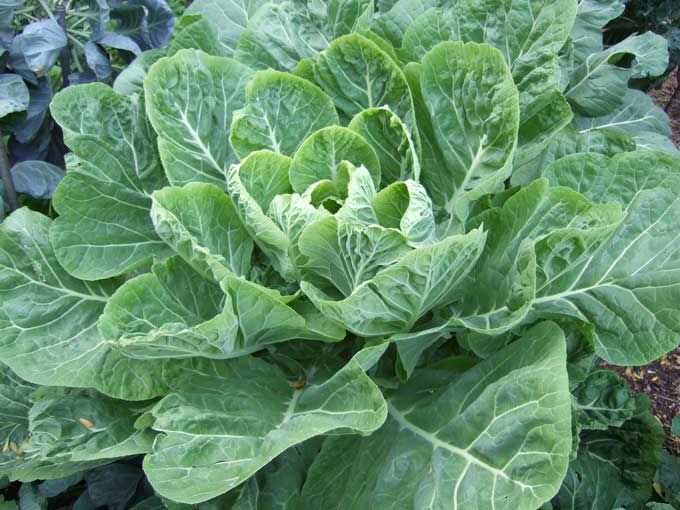
My family and I live here in the South and in the fall, one of the South's favorite vegetables, comes under the name of 'greens'. Down here in the south, the 'greens' consists of collards, mustard, turnip, and other greens grows real good in the vegetable garden, and it is an excellent time to plant them.
Greens are real good for the home vegetable garden, because they are very easy to grow and they produce a lot of greens for the family, friends, and neighbors. Another good reason to grow greens in the winter, is because this is a great way to keep the vegetable garden producing through the winter.
Turnips and mustard are very fast-growing greens, and I can harvest them as early as five or six weeks after I plant them. I can either harvest the whole plant or I can just crop, which means I am just going to remove the lower, larger leaves. When I crop my green plants, I am harvesting some of the plant's leaves and this allows the plant to continuing growing. This allows me to be able to extend the harvest. Sometimes, we have a mild winter, and when we do, I can cropped my turnips and mustard and have them in late winter or early spring.I have to remember that cropping my turnips, it will reduce the size of the root, so I reserve a portion of my turnips for root production. On these plants, I will not harvest any leaves.The leaves use photosynthesis to produce food that is transferred to the roots for storage. That storage root develops into nice-size turnips ready to harvest in eight or nine weeks.
Collard greens can be grown year-round, but fall is the best time to plant collard greens and when they get a frost on them, this will make them sweeten, so they are more tastier. I plant the seeds two inches apart, and then I will thin the plants out to a space of ten to twelve inches between plants. I then harvest them by cropping the older, larger leaves. Collards tolerate higher temperatures, better than any of the other types of greens. They are very cold tardy and they can survive temperatures in the 20 degrees without damage. When I was growing up here, we always had gardens year-round.
If a person lives where the space is very limited and you still would like to plant a few vegetables, herbs, or fruits, there is a place that you can plant them and that is in a flowerbed. Many vegetables have attractive foliage flowers, and fruit. Just be careful that you don't plant anything like mint and Jerusalem artichoke because these plants will quickly spread all over the place. When I make up my mind on what I am going to plant, I need to make sure that all of the flowers and vegetables will go together. Always remember to always think about the height of everything. Put all the taller plants the shorter ones in front, so if I go by this a border that is attach to my flower bed will be good for everything.
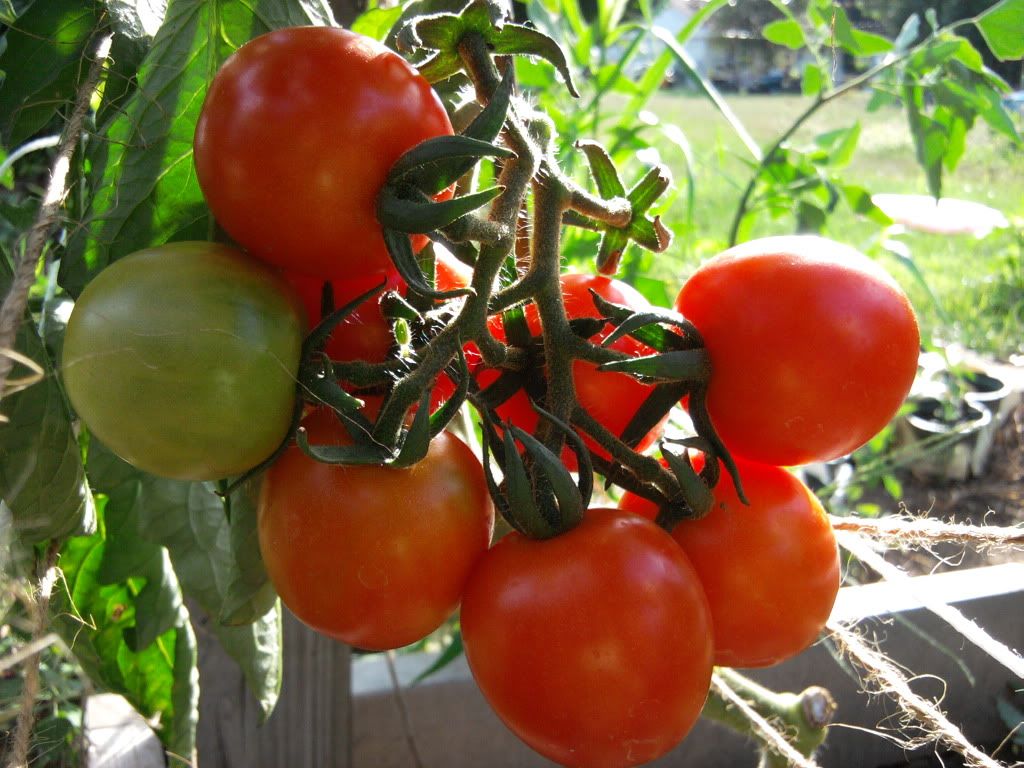
Many vegetables are annuals, so I can use the less tender type to fill gaps early during spring. After this has been grown and use up then I can put annual flowers in the same area that I have my vegetables before. As the summer progress any of the fruit-bearing vegetables, tomatoes, beans, peppers, and eggplant, will look good beside my flowers. Corn can be planted in case, I do not want ornamental grasses. Make sure that all of my plants are able to have enough space to grow. I will need to be prepared to feed and water all of my plants.
Doing the winter, some crops that I can plant in my flower bed border are kale, leeks, and chicory. By my flower bed border is close to a fence planting pole beans will be nice to plant there and train them to climb my fence. Since I still have room in my flower bed, planting herbs and fruits are two more good types of plants to plant in my flower bed. Herbs that are good to use in my flowerbed are bay and rosemary. Sage is also another good herb to plant, along with parsley, chives, and basil.
Blackberry and raspberries are good for ornamental border. Blueberry is also another good one to plant in the flower bed. When I am using a flower bed don't except a whole bunch of produce to be harvest. I am using a small area. Keep all of my plants water real good and fertilize my plants. While I am watering my plants, I will check for pests and always take action if I do find any pests. Here are some vegetables that are suitable to grow with ornamental plants. Bean bush, beet, cabbage [red or savory types], carrots, chicory, eggplant, fernel, kale, leek, lettuce, [especially red and loose- leaf types]., orka, pepper, tomato [may need support], swiss chard, and summer squash. Some vegetables that are climbing ones that I can use in my flower beds. They are tomato, pole bean, cucumber, pea, beans and winter squash. All of them will need support of some kind, because most of them need support.Other materials that I will need are a hoe, water hose, tiller, rake, seed planter, and a machine that I can use to fertilize the crops. Summary I love to have flowers planted where I lived, and I also would like to grow some vegetables that I like to eat I would be able to plant both flowers and vegetables in my flower beds. I like to have fresh herbs to use, I can also grow them in my flower beds. So flowers, herbs, and vegetables can be grown in one garden space, so that is good. ">
I thought that this would be a good way to talk about making a new arrangement.
This is an easy way to create an arrangement of cut greens around the rim of a container and doing this I can start with a standard evergreen wreath and add all of my other ornaments, tinsels, for Christmas, Valentine's hearts for Valentine's Day bunnies and eggs for Easter and anything else I will want to add according to whatever season or holiday it is.
First of all, choose a wreath that is about the same size as the rim of the container, but allow about an inch of greenery to extend beyond the rim. Then cut a slit in the wreath so I can easily, slide over the base of the planting. I can use a pair of prunes to cut the greenery and next I can use some wire cutters to cut the wreath frame. Put the wreath around the base of the planting and then I will run my hands around the wreath, pulling the greenery upward. I need to use the wreath as a base, like a oasis foam in a flower arrangement. I will take my cut mixed greens and my other materials and stick them into the wreath and this will make the base bigger with the planting with additional textures and colors. I can always add some more trailing elements like eucalyptus and incense cedar. I can place them underneath my wreath frame. To make it not look like it is a dangling afterthought, I can add more of the eucalyptus or cedar. Some of the cut greens that I can get for my wreaths are, Port Or ford cedar, incense cedar, white pine, piers, juniper and shore pine. Summary This is a way that I can decorate for the holidays in a new way.
Heirloom gardening means different things to gardeners. It is related to vegetables and the use of the tried and true, noncommercial earlier varieties, rather than modern commercial seed strains. Home gardener's interests has turn to far or the older varieties for their good flavor, long period of productivity and special characteristics such as looks, color, and history.
Heirloom gardening begins with time-tested choices, that have been handed down for multiple generations. The garden plants including fruits, vegetables, bulbs, trees, shrubs, annuals, and perennials. These plants were not available commercially for several years, with two different places that you could collected from gardens and historic sites. Some people would go back to their grandma's place and collect cuttings of myrtles, Althea's, quince, crape myrtles, and roses.
Fragrance is a very good reminder of the olden times. Winter honeysuckle, gardenia, and other plants bloom, the smell will make you think of the earlier time. Heirloom gardening is also how we placed plants in our landscapes. This is two different designs that you will find in heirloom gardening. They are parterre and cottage garden. Parterre relates to application of patterns for walks and plant arrangement. Parterres can also appear in bigger settings which is also called a cottage garden. The pattern may be hedges of dwarf myrtles, boxwood, and other low-growing evergreens.
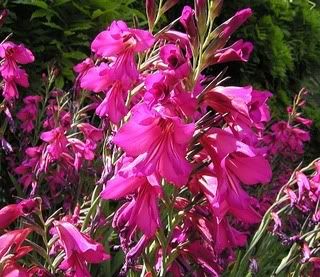
Heirloom favorites for Southern gardens include bulbs. Old gardens, cemeteries, and country home sites have gladiolas, snowflakes, marcissus, amaryllis, and many more plants that have been there for many years. SUMMARY
There are really no rules pertaining to heirloom gardening. The best thing to do is to have plants that youknow that they will reflect the charm, history, and sense of place. ">
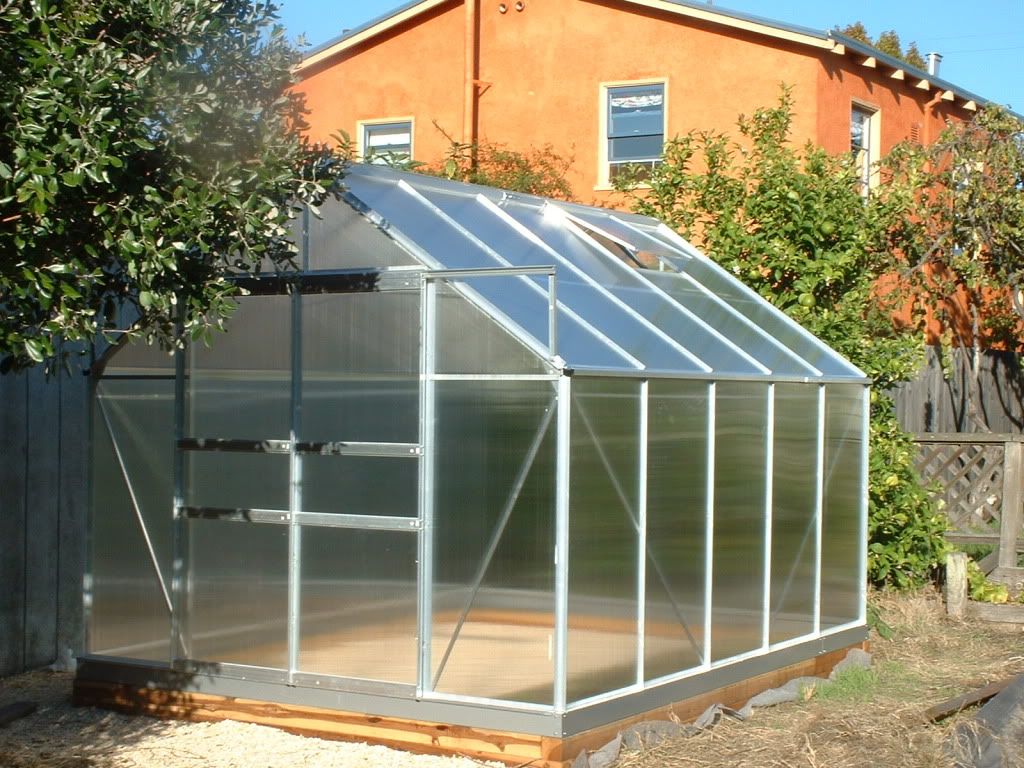
A greenhouse that has the layout planned very nice will be very easy to work in. Allow plenty of room with the right amount of light will be distributed on the benches. where your plants will be. Always have plenty of room to display your plants along with a very large working space where you will be re potting, grooming plants, and starting new plants.
To have a greenhouse to take care of your plants you will need a watering and fertilizing system inside your greenhouse. Some of the watering methods that you can use in your greenhouse are sprinkles, hand-watering, drip irrigation, and capillary matting. These are some methods of fertilizer that you can use in your greenhouse water-soluble applied by hand, with a siphon proportion, or through a fertilizer injector attached to a sprinkler or drip system.
Inside your greenhouse you will need to have benches and potting area to work on your plants. There are several different types of benches that you can use inside your greenhouses. They are basic bench, component bench, and trough bench. Another good idea is to have a portable workbench. You will need a lot of shelves to store all of your greenhouse's merchandise.
Most gardeners prefer to have their potting soil outside unless you live in a very cold season. Below-bench storage is a storage area below the potting soil. This is a good storage area to use inside your greenhouse. Another type of storage that would be nice inside of your greenhouse. This storage area is located below the potting shed. Another type of storage that you can have over your potting area and this is called overhead storage.
Tool rack is very handy to have in your greenhouse because this is where you can hang up small trowels, scissors, shears, spoons, and brushes that goes along with potting. You will need to have your tool rack close to the potting area. Plants that you have in your greenhouse has to be water more frequently. Hand watering with a garden hose or watering can is the most common watering systems used in greenhouses. Using nozzles on hoses or a watering can can be very good because it slows the flow of water. Drip irrigation are use in your greenhouse is done by allowing the water to go very slow through emitters. Capillary matting is where you water your plants from below. As far as fertilizing your greenhouse plants grow best when they are given small bitbut frequently dosages of fertilizer. You can hand-feed by mixing a dilute fertilizer solution and applying it with a watering can. The siphoning tube goes into the bucket of fertilizer solution. Attach one end of the siphon er to the faucet, and then connect the other end to the hose. As you water your plants, you are also fertilize ring your plants. Fertilizer injectors are available to use for drip and sprinkler systems. Time-release fertilizer is good to use on your greenhouse plants. ">
My family and I live in Louisiana and we live in the central part of the state. I will be talking about what we do in the month of September.
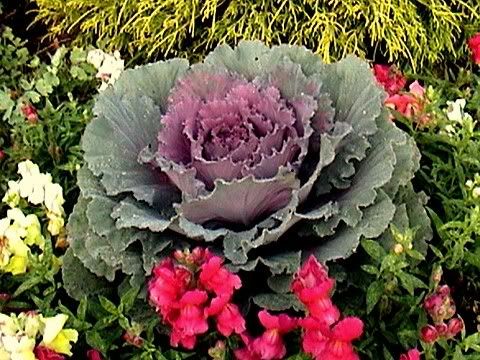
Cool-season plants are planted in September, but October may be a better month to plant many cool-season annuals but the petunias like to be planted in September. A couple of different types of petunias are Wave and 'Tidal Wave'. Some other bedding plants for the fall planting here are violas, pansies, stock, snapdragons, calendars, cabbage, and flowering kale.
The next thing that we need to do is we clean out all of the debris from my warm-season garden and prepare the garden for the planting in October. My gladiolus foliage has been waiting for me for a month or so I need to dig up the corns and store them, and I will be replanting the large corns next March.
The Louisiana iris needs to be cut back now. The foliage on these plants should be cut back during this time of year which is in late summer.
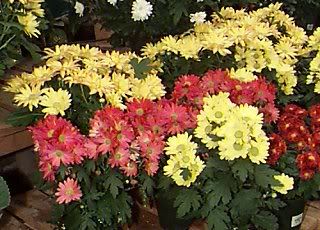
Now is the time for us to get our beds prepare for bulb-planting season, because we do this in one month. Most of the traditional bulbs that we grow here needs to have a well-drained, porous soil with having it where the beds is easy to work in the best thing is raised beds. We plant our garden mums in September and October here in central Louisiana. We have a wide assortment of different colors to choose from, which are, lavender, yellow, pink, white, bronze, orange, red, and salmon. The flowers usually grow between one to three inches across and they will last about six weeks in the garden. When we are watering our mums we make sure that the water stay at the soil line. We add one inch layer pine straw around them.
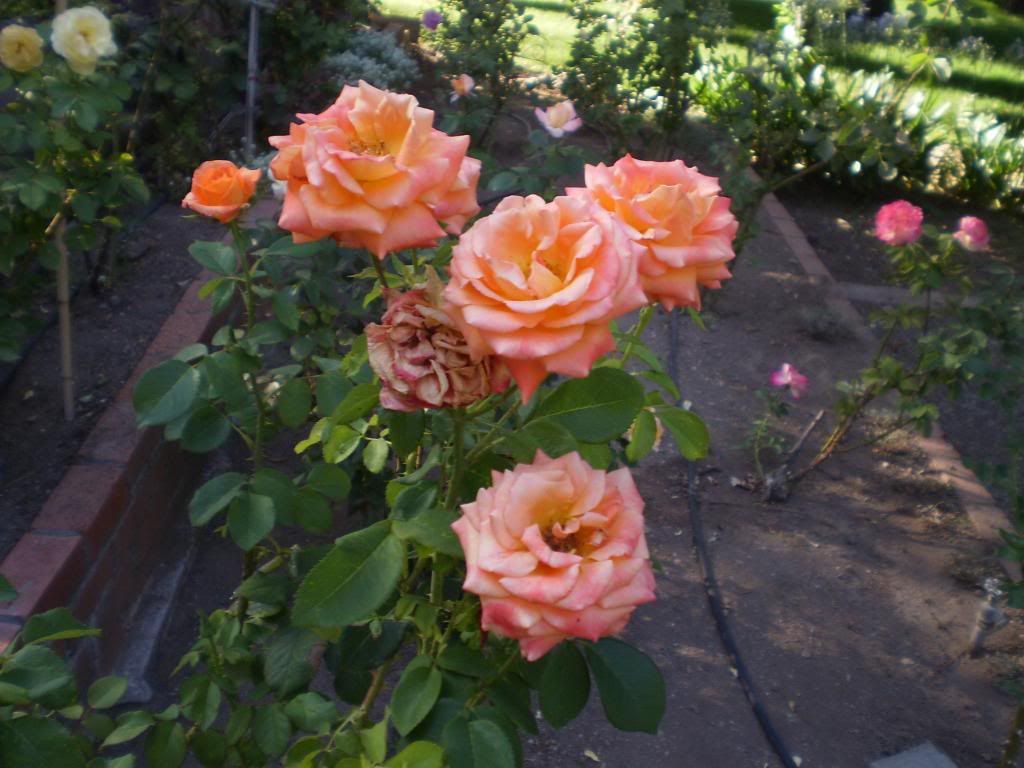
We try to have our roses prune, but if not, we try to do it the first week of September. We cut the canes back to about twenty-four inches above the bud union.
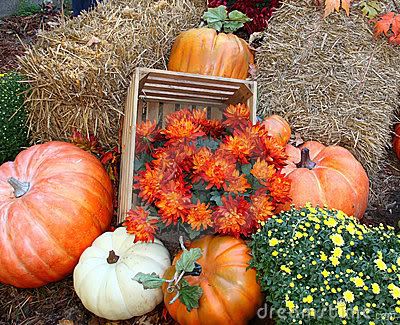
September is a month that we do our lawn care. This is when you put fertilizer down on the lawn to get the lawn through the winter. In September, it is time to planted several different vegetables for our fall garden. They are spinach, garlic, lettuce, beets, broccoli, Brussels sprouts, turnips, kale, radishes, snow beans, mustard, snap beans, and collards. In September, it is time to harvest our pumpkins just in time for Halloween and fall. We leave three inches of the stem that is attached to the fruit.
Some of the lettuce varieties, that grow good here are 'Minetto,' 'Lake Superior', and 'Great Lakes 659'. We also plant our herbs in our garden now. September here in Louisiana is a great time to enjoy our yard.It is not real hot and the humility is low, so it is nice. It is time to transplant my cabbage, Chinese cabbage, cauliflower, broccoli, and Brussels sprouts. What we do is plant different vegetables from seeds which some of them are parsley, carrots, peas, radishes, and many more. Fall is the best time to plant trees and shrubs in October.
So to be living here in Louisiana, we can have a garden year round, pretty flowers, all kinds of fruit trees and so much more.